Key Takeaways
- Roof size, design, material selection, and existing conditions determine the scope of an installation estimate.
- Compare complete written proposals, including removal, underlayment, flashing, ventilation, permits, and cleanup.
- Ask how concealed decking damage and additional work will be documented, priced, and approved.
- This guide explains planning factors, not a contractor quote; actual costs require an on-site assessment and written proposal.
Planning a roof installation in Orlando
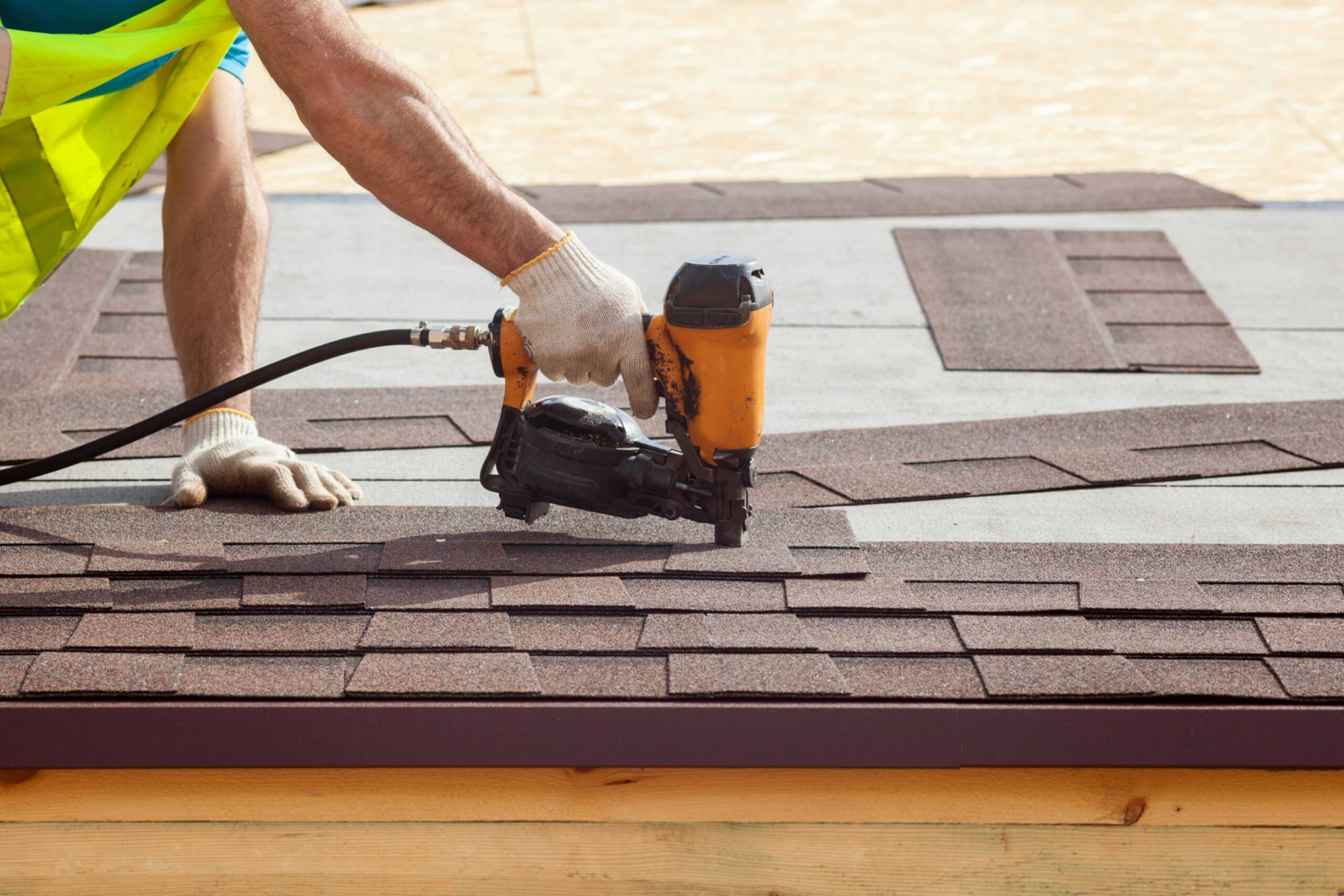
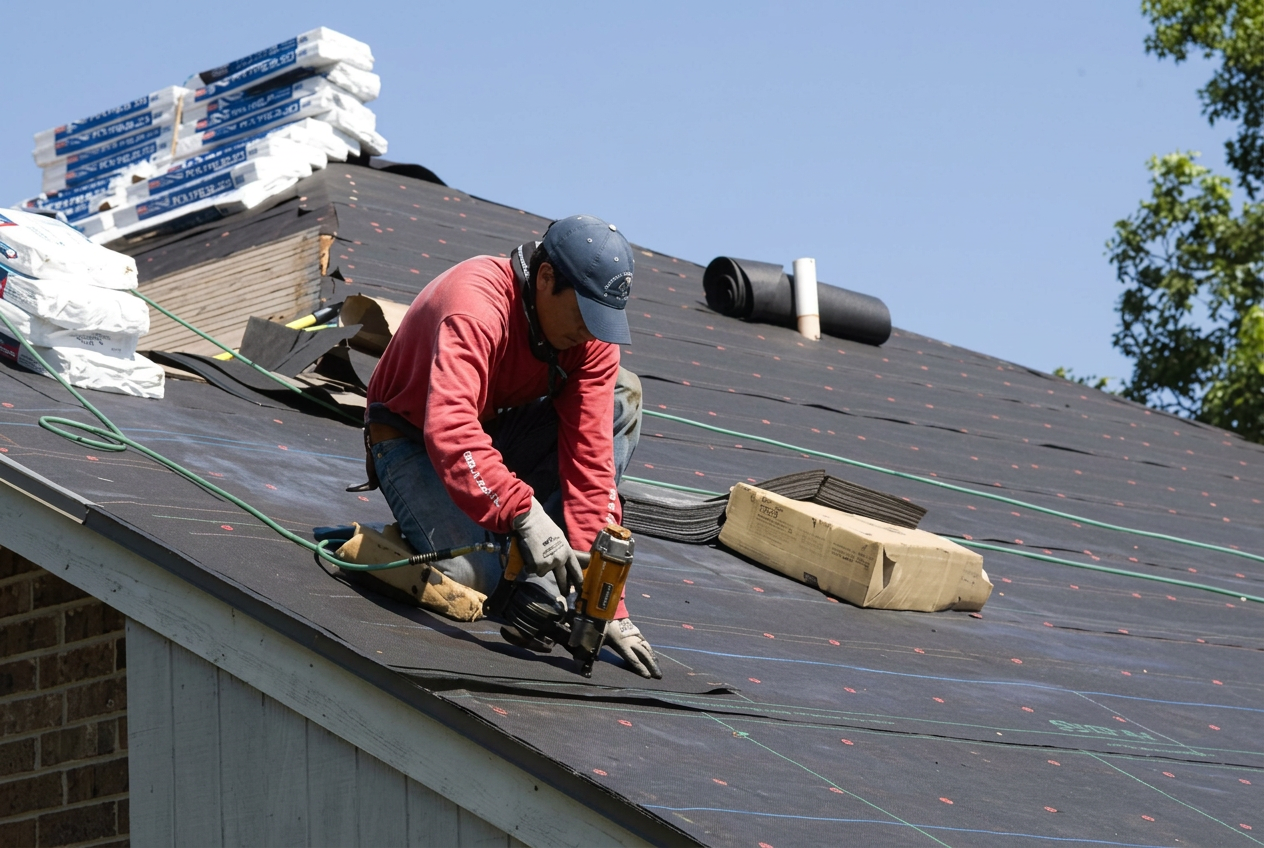
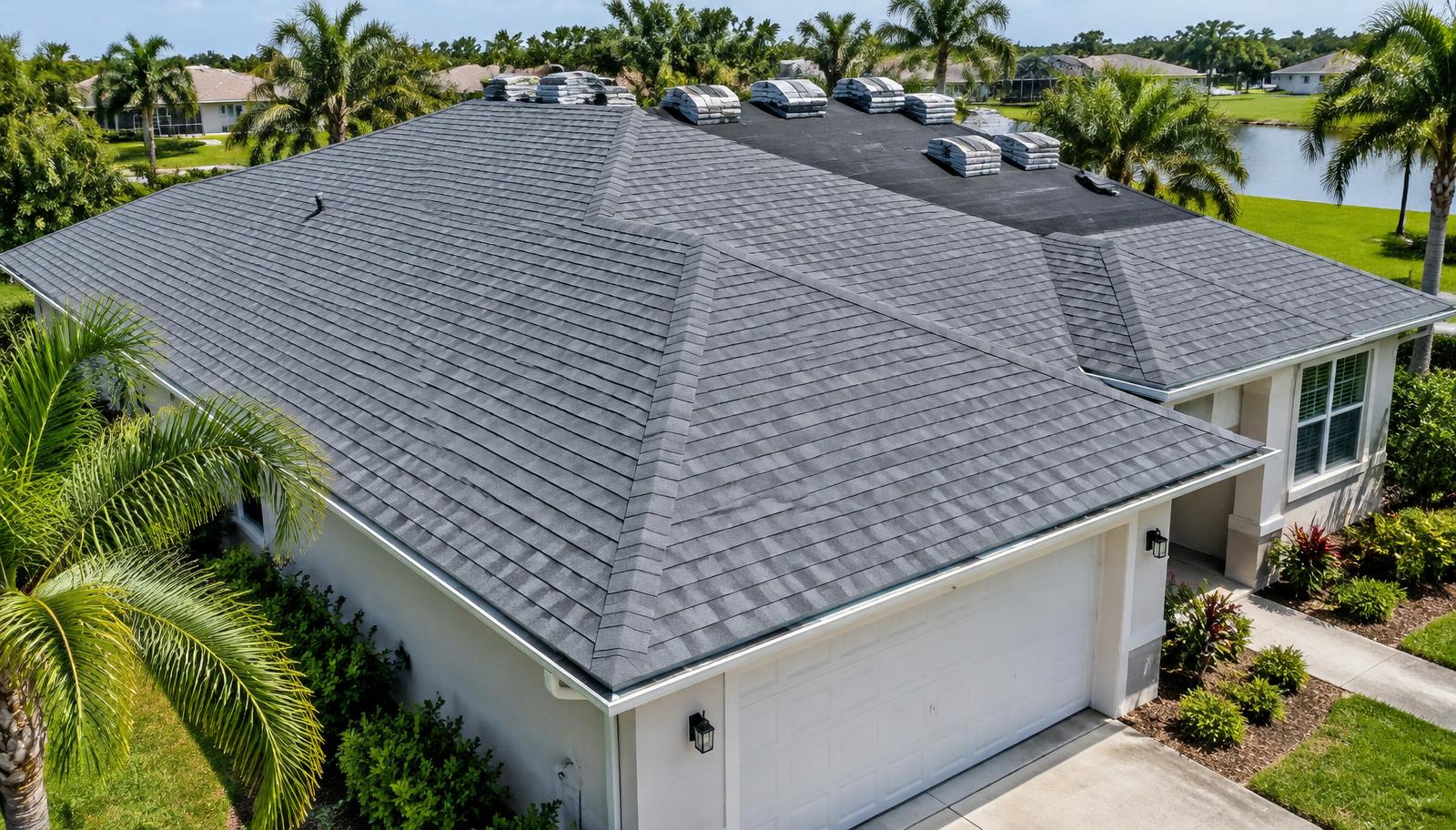
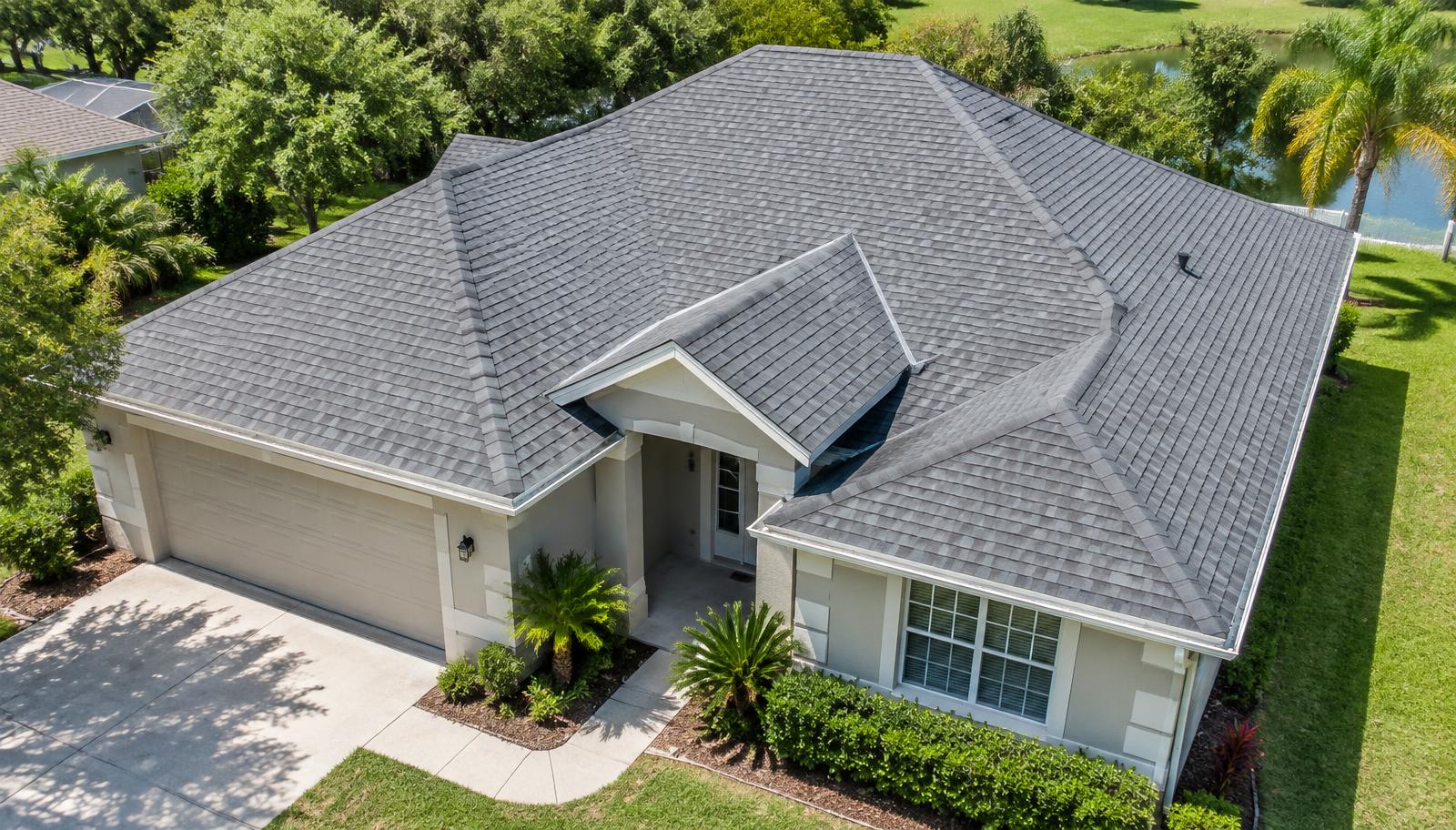
Installing a new roof is an important investment for homeowners in Orlando, Florida. The final project price depends on the roof's size, shape, selected materials, existing roof condition, and the work required to prepare the home. A detailed written estimate helps homeowners understand the scope of work before construction begins.
Orlando's warm, humid climate and seasonal storms make material selection, installation quality, and proper water management especially important. Homeowners should compare complete proposals—not just a single price—so that labor, materials, removal, permits, and cleanup are clearly explained.
This guide explains common pricing factors and planning questions. It does not provide a contractor quote; actual costs should be confirmed through an on-site assessment and written proposal.
What Factors Affect Roof Installation Pricing in Orlando?
Roof installation pricing is shaped by the size and complexity of the roof, the materials chosen, and the condition of the existing structure. A simple roof with broad, accessible slopes generally requires a different amount of labor than a roof with multiple valleys, dormers, steep pitches, or difficult access.
Why does roof size matter?
Roofing contractors estimate material quantities and labor based on the roof's measured area and layout. The home's interior square footage is not the same as its roof area: slope, overhangs, and architectural features can increase the surface that must be covered. Accurate measurements help reduce shortages, waste, and unexpected changes.
How does roof design change the estimate?
Complex rooflines require careful cutting, flashing, and detailing. Valleys, skylights, chimneys, vents, and other penetrations need additional attention to help prevent leaks. A proposal should identify these features and explain how they are included in the project scope.
Which Roofing Materials Influence the Total Price?
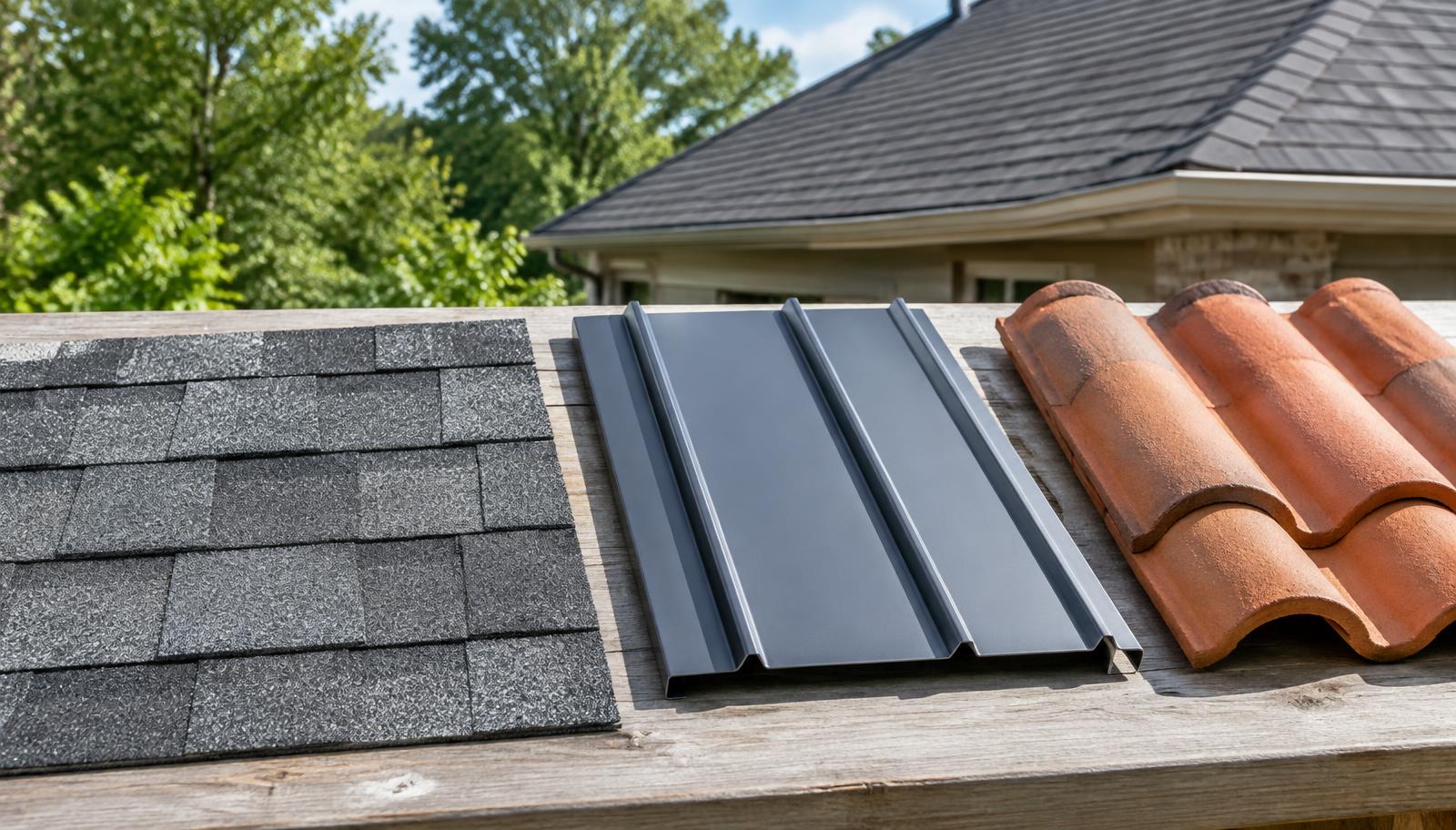
The roofing material is one of the largest choices affecting an installation budget. Options differ in purchase cost, weight, appearance, expected service life, maintenance needs, and installation requirements. Homeowners should choose a system that fits the property and their long-term plans rather than focusing on material price alone.
Are asphalt shingles a practical option?
Asphalt shingles are widely used on residential roofs and come in a variety of styles and colors. Their overall cost depends on the selected product, roof layout, underlayment, ventilation details, and installation labor. Homeowners should confirm that the chosen product is appropriate for local conditions and applicable requirements.
What about metal or tile roofing?
Metal and tile systems may offer distinct appearance and performance characteristics, but their material and installation costs can differ substantially. Roof structure, fastening methods, flashing, and installer experience all matter. Ask the contractor to explain any structural considerations and provide product information for the proposed system.
How Much Should Homeowners Budget Per Square Foot?
A per-square-foot figure can be useful for an early comparison, but it should not be treated as a final project price. Estimates may use different assumptions about tear-off, underlayment, flashing, ventilation, disposal, and finish details. A low rate may exclude work that another proposal includes.
What should a square-foot estimate include?
Ask whether the quoted rate includes the roofing material, installation labor, removal of existing roofing, disposal, underlayment, flashing, edge details, ventilation components, permit-related costs, and cleanup. Clarify how the contractor will price concealed damage or additional layers discovered during removal.
Why can two estimates be different?
Contractors may measure the roof differently, specify different products, or include different levels of preparation and protection. Compare the scope line by line. If a proposal is substantially lower, request a written explanation of what is included and excluded before making a decision.
Does Removing the Existing Roof Increase the Cost?
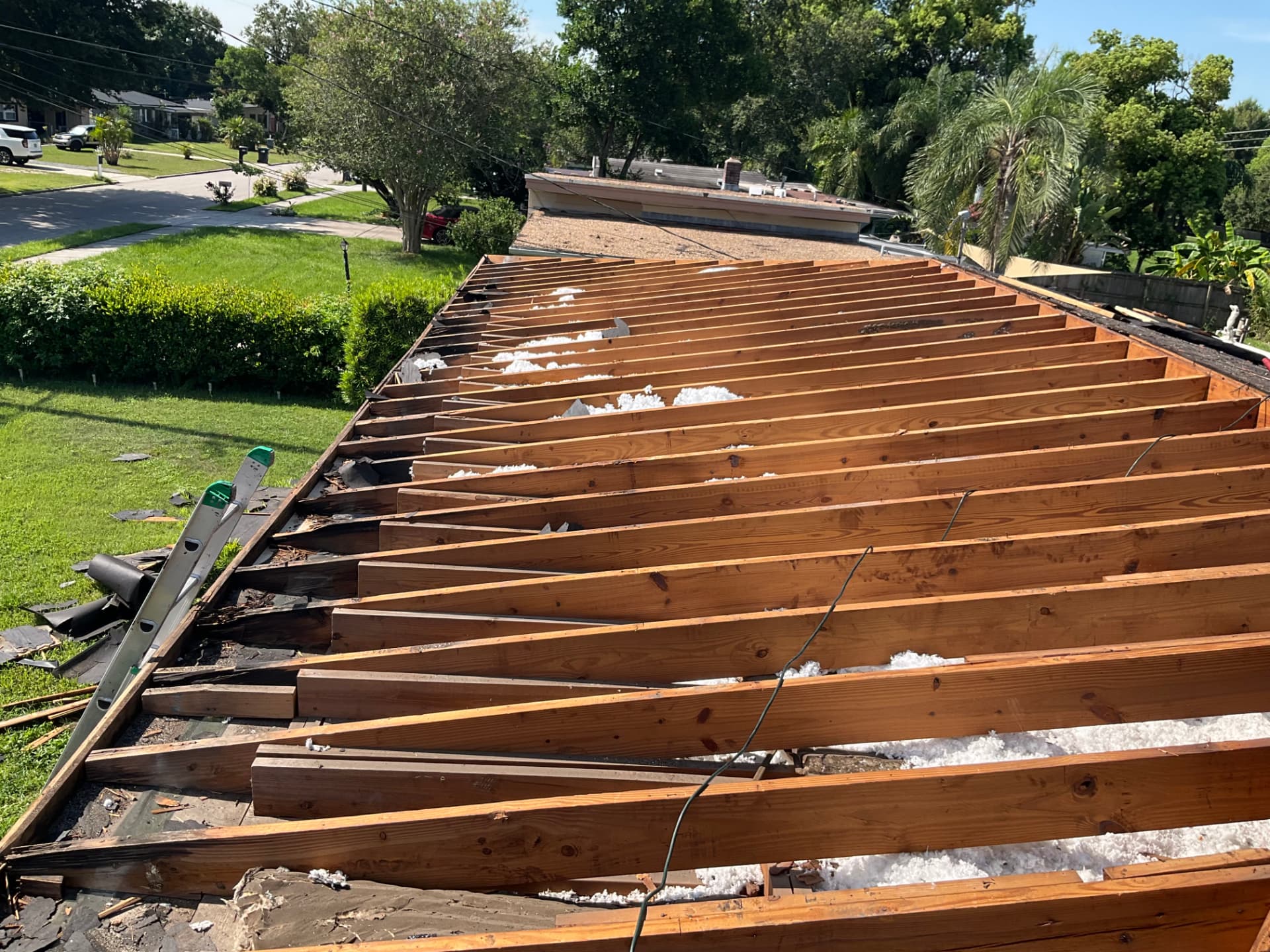
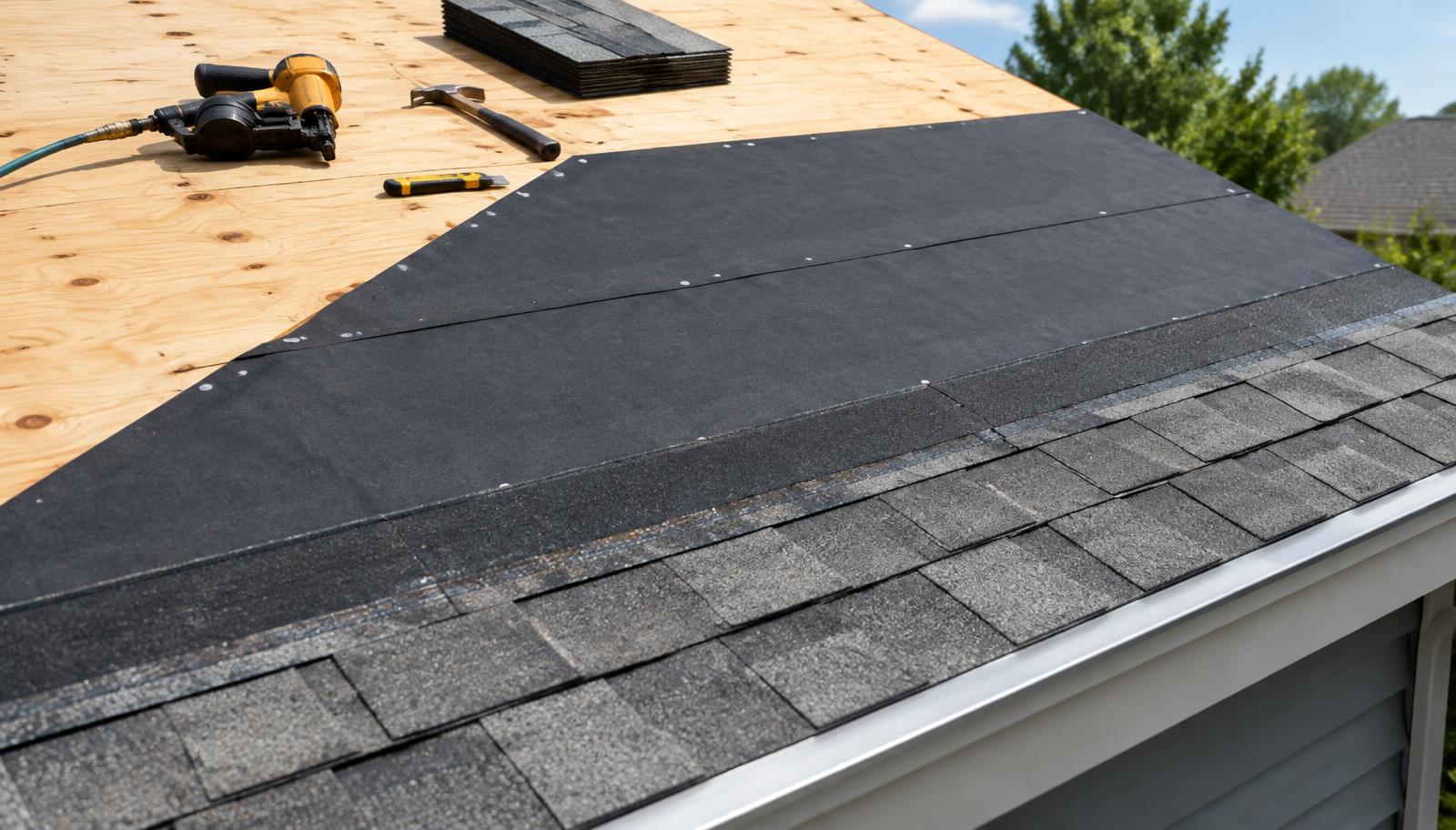
If an existing roof must be removed, the project may require additional labor, disposal, and site protection. The number of existing roofing layers and the condition of the underlying deck can affect the work. The contractor should inspect the roof and describe the planned removal process.
What happens if damaged decking is found?
Roofing materials can conceal deteriorated or damaged decking. Once the old roof is removed, the contractor may discover areas that need repair or replacement. Ask how this work will be documented, how the price will be calculated, and whether approval will be obtained before additional work proceeds.
Can roof installation be completed over an existing layer?
Whether an overlay is allowed depends on the roof's condition, existing layers, product requirements, and applicable code. An overlay may not be appropriate when the existing roof has moisture or structural problems. A qualified contractor should explain the options after evaluating the property.
What Permits and Local Requirements Affect Pricing?
Roof installation may require permits and inspections based on the project scope and local rules. Fees, documentation, and inspection scheduling can affect both the project budget and timeline. Homeowners should confirm which party is responsible for applying for permits and coordinating inspections.
Why should permitting be listed in the proposal?
A clear estimate identifies whether permit fees and related administrative work are included or billed separately. It should also state who will arrange required inspections and provide documentation when the project is complete. Confirm the requirements with the relevant Orlando-area building authority for the property's exact location.
How can planning reduce delays?
Selecting materials early, confirming project details, and submitting complete paperwork can help keep the installation organized. Weather and inspection availability may still affect scheduling, so homeowners should ask how the contractor communicates changes and protects the home if work is interrupted.
How Do Orlando's Weather Conditions Affect Roof Planning?
Orlando experiences heat, humidity, heavy rain, and seasonal storms. These conditions make correct installation details important, including underlayment, flashing, drainage, and ventilation. The roof system should be selected and installed according to manufacturer instructions and applicable local requirements.
Does ventilation affect the overall investment?
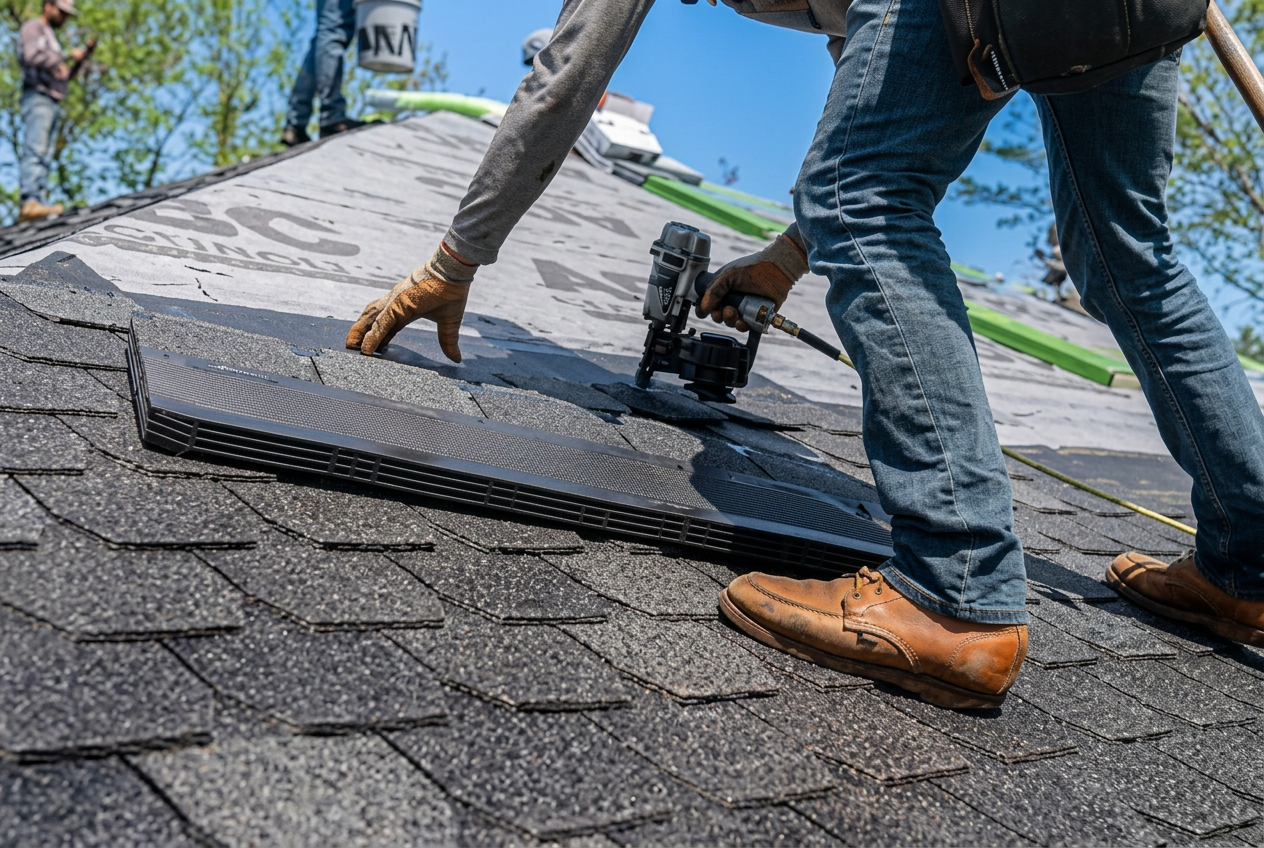
Proper attic ventilation can help manage heat and moisture when designed as part of a balanced roof system. The right approach depends on the home's existing ventilation, insulation, and attic configuration. Ask whether the estimate includes an assessment and any recommended improvements.
What should homeowners ask about storm readiness?
Ask about the proposed roofing product's ratings and installation specifications, and how roof edges, penetrations, and flashing will be handled. A contractor should avoid making guarantees about storm performance and instead explain the system's documented features and maintenance needs.
How Can Homeowners Compare Contractors and Protect Value?
A roof is a major part of a home's weather protection, so workmanship and project communication matter alongside price. Homeowners should compare written estimates, verify credentials and insurance, review product specifications, and understand the warranty terms before signing.
What should a written roofing proposal include?
A complete proposal should identify the roofing system and product, measured scope, preparation and removal work, underlayment and flashing details, ventilation work, permit responsibilities, cleanup, payment schedule, anticipated timeline, and procedures for concealed damage or change orders.
How do warranties affect the decision?
Material warranties and workmanship warranties cover different things and may have separate conditions. Review the length of coverage, exclusions, maintenance obligations, and the process for making a claim. Keep the final contract, product information, permit records, and completion documents together.
How Can You Plan a Roof Installation Budget?
Start by arranging an inspection and requesting a detailed written estimate. Set aside room in the budget for possible concealed repairs, and ask the contractor to explain how any additional work will be approved and documented. Avoid relying on a general online price as a substitute for a property-specific assessment.
What questions should you ask before signing?
Confirm the exact materials, installation scope, removal and disposal plan, permit handling, expected schedule, payment milestones, warranty coverage, cleanup responsibilities, and contact process. Ask who will supervise the work and how the crew will protect landscaping and surrounding property.
Conclusion
Roof installation pricing for Orlando homeowners depends on roof size, design, material selection, existing conditions, labor, and permitting. Comparing detailed proposals helps homeowners understand the full investment and make a decision based on value, not price alone. A professional assessment and clear written scope are the best starting points for planning a dependable roof installation.
Service-area references may include Orlando and nearby communities such as Winter Park, Maitland, Altamonte Springs, Winter Garden, Ocoee, Apopka, and Kissimmee, depending on contractor coverage and project location.